
What to Do When a Pipe Bursts in Harrisonburg, VA
When a water pipe bursts in Harrisonburg, immediately shut off your home's main water valve or well pump breaker, open low faucets to relieve pressure, and cut power to wet areas before calling an emergency plumber at (512) 988-5119.
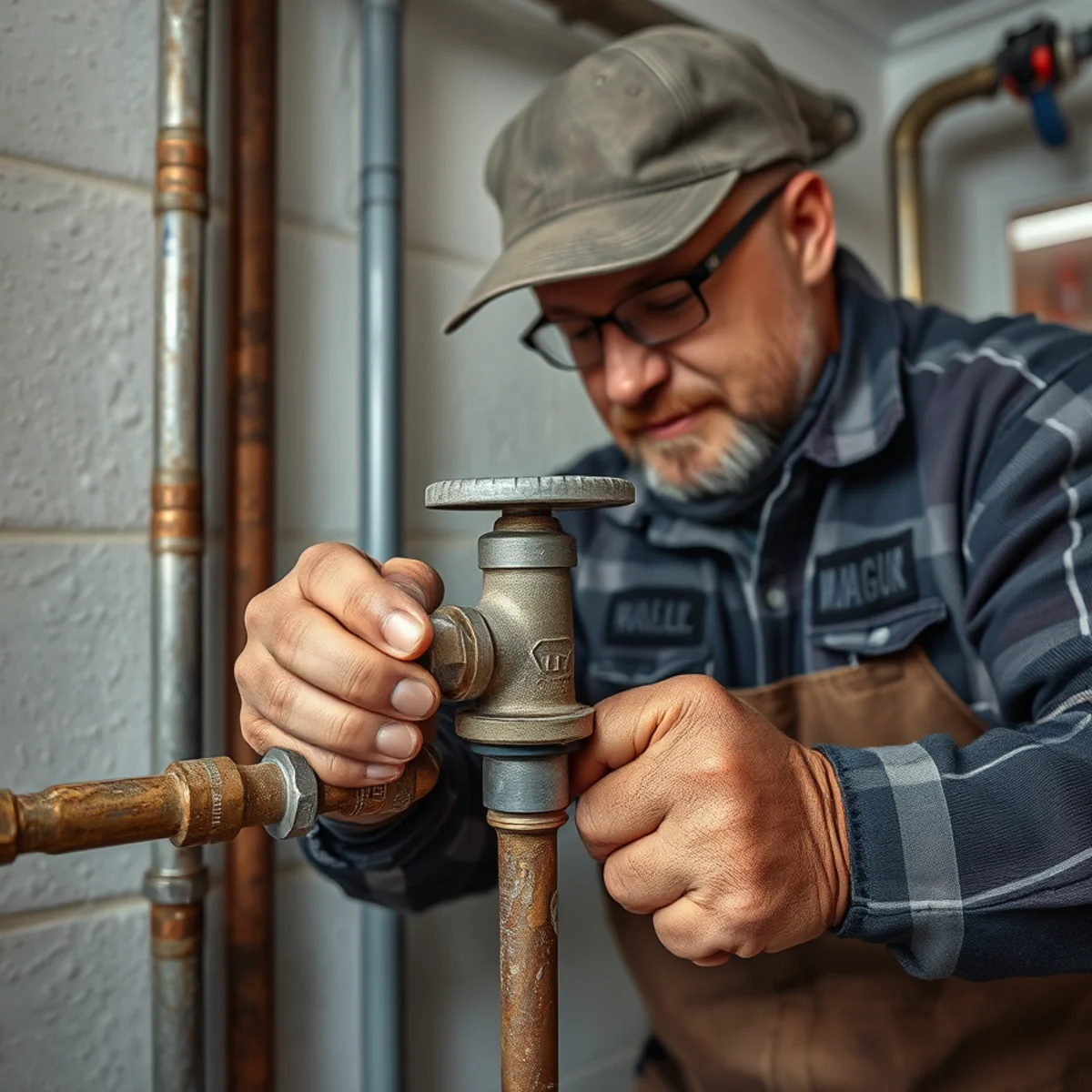
- Minute 0 to 2: The Critical First Action — Main Water Shutoff
- Minute 2 to 5: Electrical Safety & Hydrostatic Pressure Evacuation
- Minute 5 to 10: Triage Checklist & Insurance Evidence Capture
- Expert Insight: Why Shenandoah Valley Pipes Freeze and Burst
- How Professional Plumbers Repair Burst Pipes Permanently
- Long-Term Freeze Prevention for Harrisonburg Homes
Minute 0 to 2: The Critical First Action — Main Water Shutoff
If a pressurized water pipe ruptures in your Harrisonburg home, it can release 10 to 15 gallons of water per minute. That translates to roughly 300 to 500 gallons within half an hour, flooding finished basements, destroying subflooring, and bringing down drywall ceilings. Your absolute first priority is shutting off the domestic water supply.
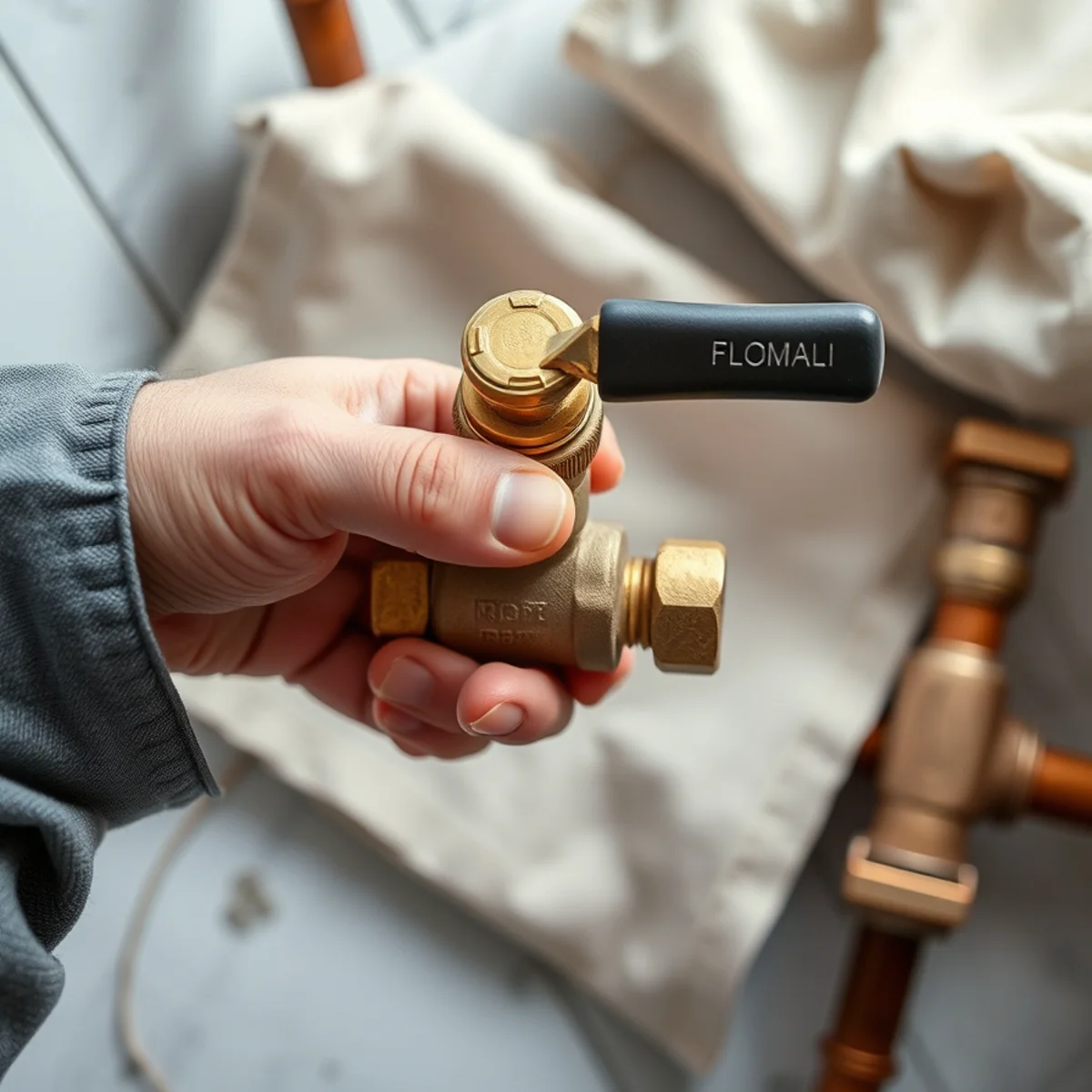
- Quarter-Turn Ball Valve (Modern Homes): Located where the main copper or PEX supply line penetrates the basement slab or front crawlspace wall. Rotate the brass lever handle 90 degrees until it is perpendicular to the pipe direction.
- Round Gate Valve (Older Homes): In pre-1980s homes in Old Town or near Court Square, turn the round wheel clockwise repeatedly until it seats firmly. Do not force a corroded wheel with pliers to avoid snapping the internal stem.
- Private Well Systems: In rural Rockingham County (such as Dayton, Linville, or Keezletown), immediately switch off the dedicated double-pole 240V circuit breaker labeled 'Well Pump' in your main electrical panel to halt pump cycling.
- Street Curb Stop (Backup Option): If your interior valve is seized, locate the municipal meter pit near your front property line and use a meter key or water wrench to turn the curb stop valve 90 degrees.
Facing a Plumbing Issue in Harrisonburg?
Speak directly with Héctor for honest trade advice, upfront flat-rate pricing, and fast local dispatch across Rockingham County.
Call Héctor: (512) 988-5119Minute 2 to 5: Electrical Safety & Hydrostatic Pressure Evacuation
Water and electricity create an immediate lethal hazard. Before stepping into standing water, evaluate the surrounding environment. If water has pooled around floor outlets, extension cords, baseboard heaters, or your furnace, do not walk through it. Safely turn off electrical breakers for the flooded rooms from your main breaker box, provided the panel itself is completely dry and safely accessible.
- Open the Lowest Faucets: Open a basement utility sink faucet, laundry tub, or outside garden hose bibb to drain residual water gravity-fed out of the building rather than spilling through the rupture point.
- Open Highest Faucets: Open upper-floor bathroom sink faucets to break the hydraulic vacuum, allowing piping circuits to drain rapidly and cleanly.
- Protect Mechanical Equipment: Switch off the electrical breaker to your water heater or extinguish the gas pilot to avoid burning out dry electric heating elements.
- Surface Water Containment: Deploy heavy towels, tarps, and plastic storage bins directly beneath active ceiling leaks to divert water away from hardwood floors and structural timbers.
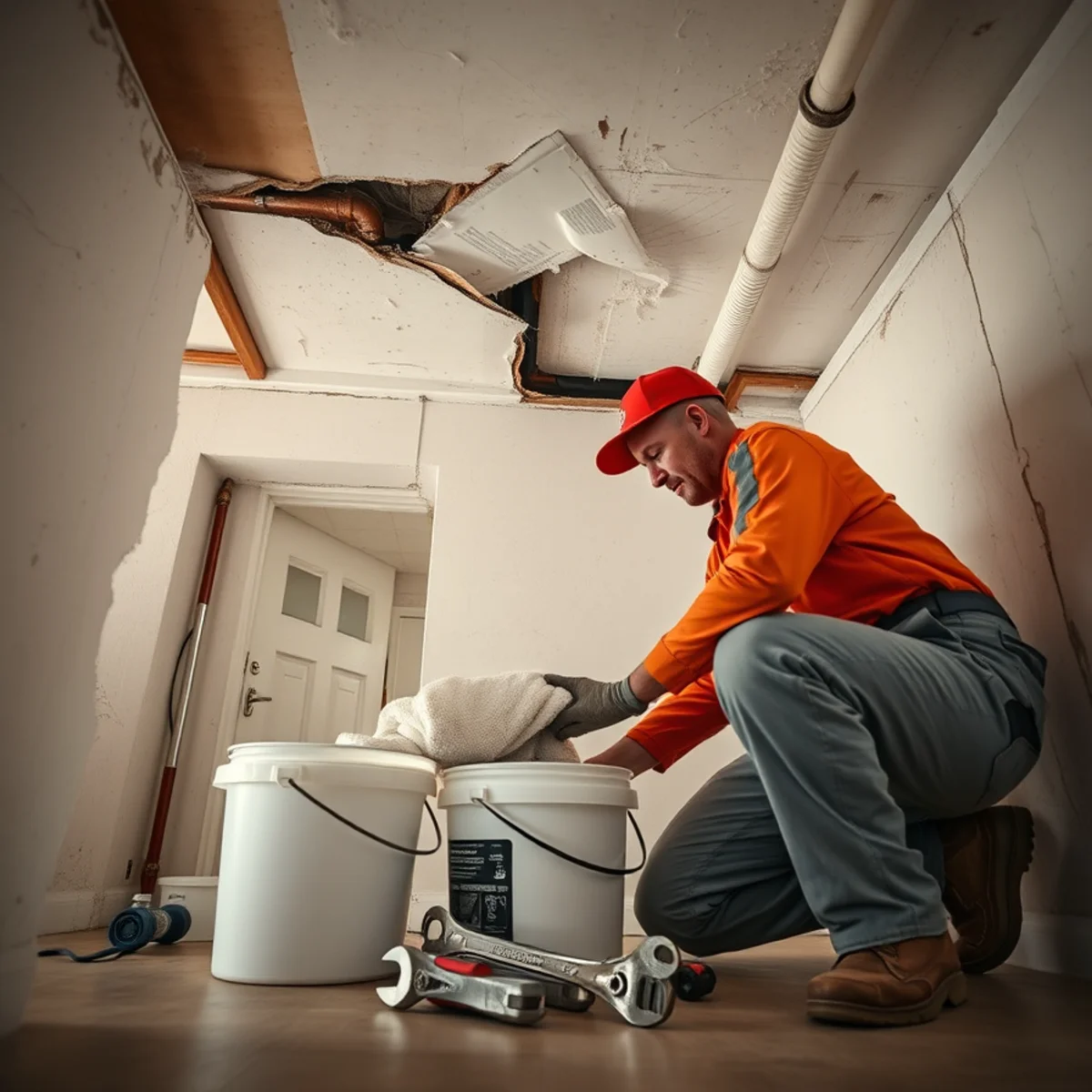
Minute 5 to 10: Triage Checklist & Insurance Evidence Capture
Once active water discharge is halted and the structure is safe, document the scene thoroughly before beginning major cleanup. Homeowner insurance claims in Virginia depend heavily on contemporaneous evidence demonstrating that the failure was 'sudden and accidental' rather than gradual long-term neglect.
- Photograph the Rupture Site: Capture close-up, high-resolution photographs and video of the ruptured pipe wall, showing longitudinal freeze seams, split fittings, or cracked joints.
- Document Water Levels: Photograph water lines on baseboards, drywall saturation height, damaged rugs, furniture, and saturated building materials.
- Call 24/7 Emergency Dispatch: Contact Héctor Plumbing Solution directly at (512) 988-5119 for priority dispatch across Harrisonburg, Bridgewater, and Massanetta Springs.
- Preserve Split Pipe Segments: After the plumber excises the broken pipe, retain the damaged section in a plastic bag for the insurance adjuster's physical inspection.

Expert Insight: Why Shenandoah Valley Pipes Freeze and Burst
As a licensed master plumber with over 15 years servicing Harrisonburg and Rockingham County, I see the same misconception every winter: homeowners assume pipes burst right where the ice freezes. In reality, physics dictates otherwise. Water expands approximately 9% volumetrically when transitioning to ice. As an ice plug forms along an uninsulated exterior wall or vented crawlspace, it creates an impenetrable blockage. As water continues freezing along the pipe, it acts like a hydraulic ram against liquid water trapped between the freeze plug and a closed faucet. Trapped hydrostatic pressure frequently surges beyond 2,500 to 3,000 PSI—far exceeding the structural burst pressure of standard 1/2-inch or 3/4-inch Type M copper (approx. 1,000 PSI).
- Vented Crawlspaces: Shenandoah Valley winter winds blowing beneath foundation vents chill unprotected supply lines below 20°F within hours.
- Cantilevered Overhangs: 1970s and 1980s architectural overhangs often leave second-story bathroom supply lines exposed to outside air temperatures.
- Hose Bibb Traps: Leaving garden hoses connected to exterior sillcocks prevents internal drainage, forcing water backward into exterior wall framing.
- Karst Limestone Scale: Heavy calcium carbonate deposits create localized friction points, thinning copper pipe walls over decades of service.
How Professional Plumbers Repair Burst Pipes Permanently
Emergency repair requires more than temporary neoprene clamps or rubber tape, which quickly fail under normal 65–75 PSI municipal pressure. Professional restoration involves surgical access, clean pipe excision, and code-compliant splicing.
- Non-Destructive Thermal Pinpointing: We utilize FLIR infrared cameras to trace thermal cold spots behind finished drywall, making small 6x6-inch inspection cuts rather than tearing down whole walls.
- Uponor ProPEX-A Splicing: We replace ruptured copper or brittle CPVC with Uponor Engel-method PEX-A, which expands up to 300% during sub-zero freezes without cracking.
- Viega ProPress Mechanical Joints: For copper systems, we utilize flame-free hydraulic ProPress couplings, eliminating open-torch fire hazards inside dry timber joist bays.
- Full Hydrostatic Testing: We recharge the supply network to 80 PSI and verify static pressure holding for 20 minutes before closing drywall access.
Long-Term Freeze Prevention for Harrisonburg Homes
Preventing future freeze disasters requires addressing root thermal weaknesses before the next Arctic cold front arrives from the Blue Ridge.
- Upgrade to Woodford Frost-Free Sillcocks: Anti-siphon sillcocks position the actual shutoff mechanism 8 to 12 inches inside the heated building envelope.
- Install Closed-Cell Pipe Insulation: Encase all exposed crawlspace and basement copper lines in minimum 1/2-inch wall closed-cell polyethylene foam insulation.
- Seal Rim Joist Drafts: Seal crawlspace foundation vents with insulated foam blocks during winter months to eliminate cold drafts.
- Maintain Interior Thermostats: Never set indoor temperatures below 58°F when leaving town during winter, and leave cabinet doors open under kitchen sinks.
Master plumber with over 15 years experience diagnosing water leaks, well pump systems, water heaters, and sewer lines across Harrisonburg and Rockingham County, Virginia.
Related Plumbing Services
Related Service Communities
Trusted by Homeowners Across the Shenandoah Valley
Frequently Asked Questions: What to Do When a Pipe Bursts in Harrisonburg, VA
Does homeowners insurance pay for burst pipe repairs and water damage in Harrisonburg, VA?
Yes. Most Virginia homeowner insurance policies cover water damage resulting from sudden and accidental pipe freezes or ruptures under standard HO-3 forms, provided the home was kept heated (at least 55°F). While drying, drywall, and floor restoration are typically covered, the plumbing repair bill itself is often subject to your policy deductible.
Can a plumber fix a burst pipe without shutting off water to the entire house?
Yes. Once Héctor arrives on site, we can frequently install a localized mechanical isolation ball valve or freeze clamp directly upstream of the ruptured section. This restores domestic water to your kitchen and unaffected bathrooms while we complete the structural pipe repair.
How quickly does Héctor Plumbing Solution respond to a burst pipe emergency in Harrisonburg?
We maintain 24/7 priority emergency dispatch throughout Harrisonburg and Rockingham County. Typical arrival times average 30 to 60 minutes depending on road conditions and location, with immediate step-by-step phone assistance provided the moment you call (512) 988-5119.
Why did my copper pipe burst inside an interior wall if the heat was on?
Even if your home thermostat reads 68°F, pipes inside exterior wall cavities, cantilevered floor joists, or uninsulated crawlspaces can drop below freezing during single-digit temperatures, especially if outdoor cold air infiltrates through rim joists or siding gaps.
Is PEX piping truly better than copper for preventing winter pipe freezes?
Yes. Uponor PEX-A crosslinked polyethylene possesses remarkable thermal elasticity. When water freezes inside PEX-A, the pipe expands to accommodate the ice volume, then shrinks back to its original diameter upon thawing, whereas rigid copper splits longitudinally under 2,000+ PSI pressure.
Need Immediate Plumbing Assistance in Harrisonburg?
Speak directly with Héctor today. We offer upfront flat-rate estimates and 24/7 priority emergency dispatch.
Call (512) 988-5119 Now