
Sewage Backing Up Into the Basement? First Steps
If sewage is backing up into your Harrisonburg basement, immediately stop all water use upstairs, keep people and pets away from contaminated areas, shut off electrical power to wet floors, and call an emergency plumber at (512) 988-5119.
- Minute 0 to 5: Immediate Household Water Cease-Order
- Category 3 Blackwater Biohazards & Critical Electrical Safety
- Why Harrisonburg Basements Experience Sudden Sewer Backups
- Expert Insight: How Master Plumbers Safely Decompress and Clear Backups
- Sanitization & Remediation Protocol for Concrete Slabs
- Long-Term Prevention: Backwater Valves & Trenchless Rehabilitation
Minute 0 to 5: Immediate Household Water Cease-Order
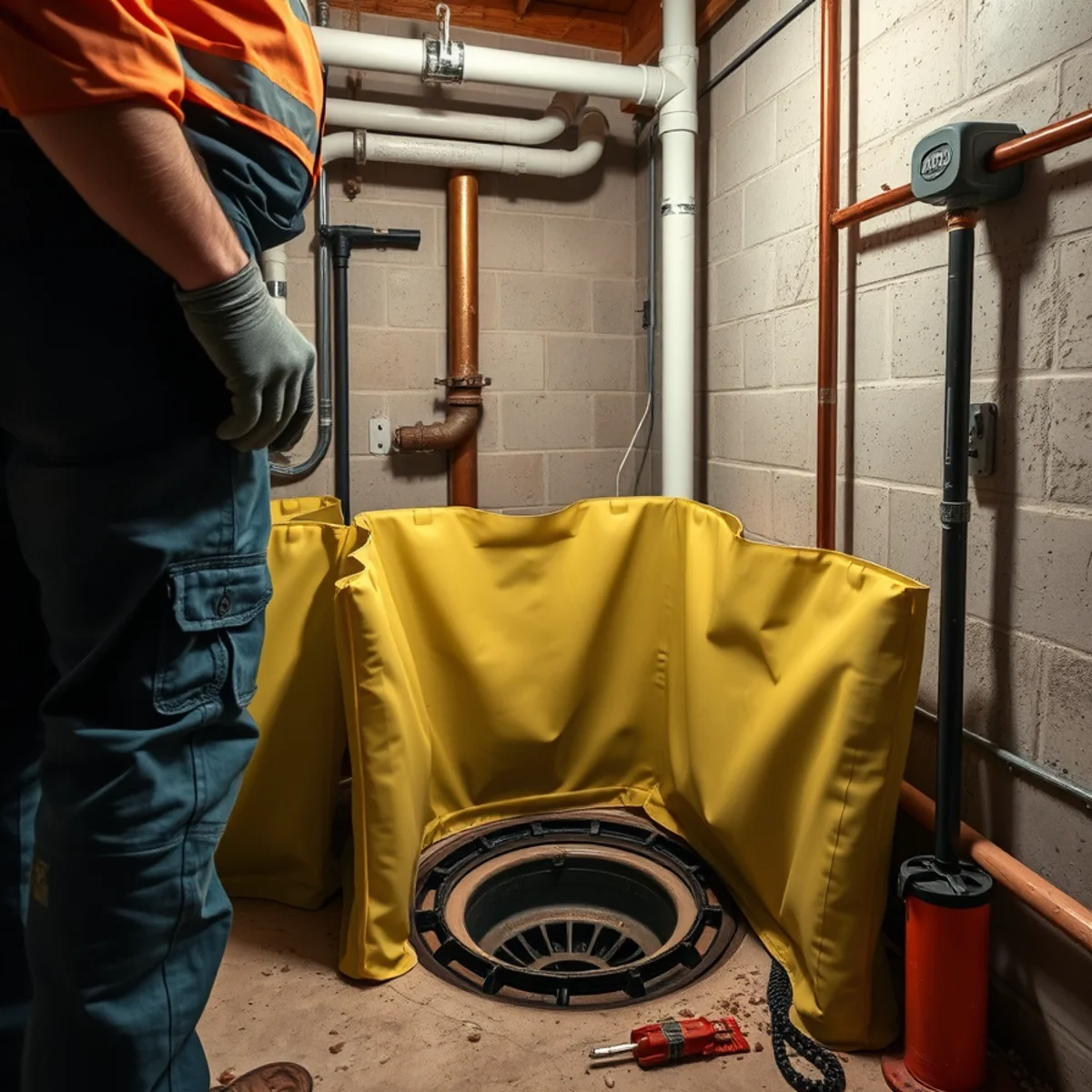
Discovering foul, dark wastewater bubbling up through your basement floor drain, utility sink, or basement shower is an urgent plumbing and health crisis. Because all plumbing fixtures in your home drain into a single main underground sewer lateral by gravity, any water used upstairs immediately exacerbates the basement flood.
- Halt All Water Consumption: Instantly instruct every family member or tenant to stop flushing toilets, running sinks, taking showers, and running washing machines or dishwashers.
- Cancel Appliance Cycles: If a washing machine or dishwasher is running, immediately press cancel or pause to prevent hundreds of gallons of rinse water from surging into the basement.
- Never Plunge a Floor Drain: Never attempt to plunge an overflowing basement floor drain with a handheld plunger; plunging creates hydraulic pressure spikes that can blow out cleanout plugs or force contaminated water up through nearby sinks.
- Quarantine the Area: Keep children, elderly residents, and household pets strictly away from the basement stairwell and lower levels to prevent biohazard tracking.
Facing a Plumbing Issue in Harrisonburg?
Speak directly with Héctor for honest trade advice, upfront flat-rate pricing, and fast local dispatch across Rockingham County.
Call Héctor: (512) 988-5119Category 3 Blackwater Biohazards & Critical Electrical Safety
Residential sewage backup is classified by the Institute of Inspection, Cleaning and Restoration Certification (IICRC) as Category 3 'Blackwater'—the most dangerous category of water contamination, carrying pathogenic bacteria, viruses, parasites, and toxic sewer gases.
- Lethal Electrical Shocks: If standing sewage touches baseboard heaters, floor outlets, or extension cords, do not step into the water. Turn off the electrical circuit breakers for the basement from the main panel if safely dry and accessible.
- Dangerous Pathogens: Blackwater teems with active cultures of E. coli, Salmonella, Giardia, Hepatitis A, and rotaviruses capable of causing severe gastrointestinal illness upon direct skin contact or ingestion.
- Sewer Gas Ventilation: Blocked sewer laterals allow toxic hydrogen sulfide (rotten-egg odor) and volatile methane gas to accumulate. Open basement windows if safely accessible from the outside or upper perimeter to establish natural cross-ventilation.
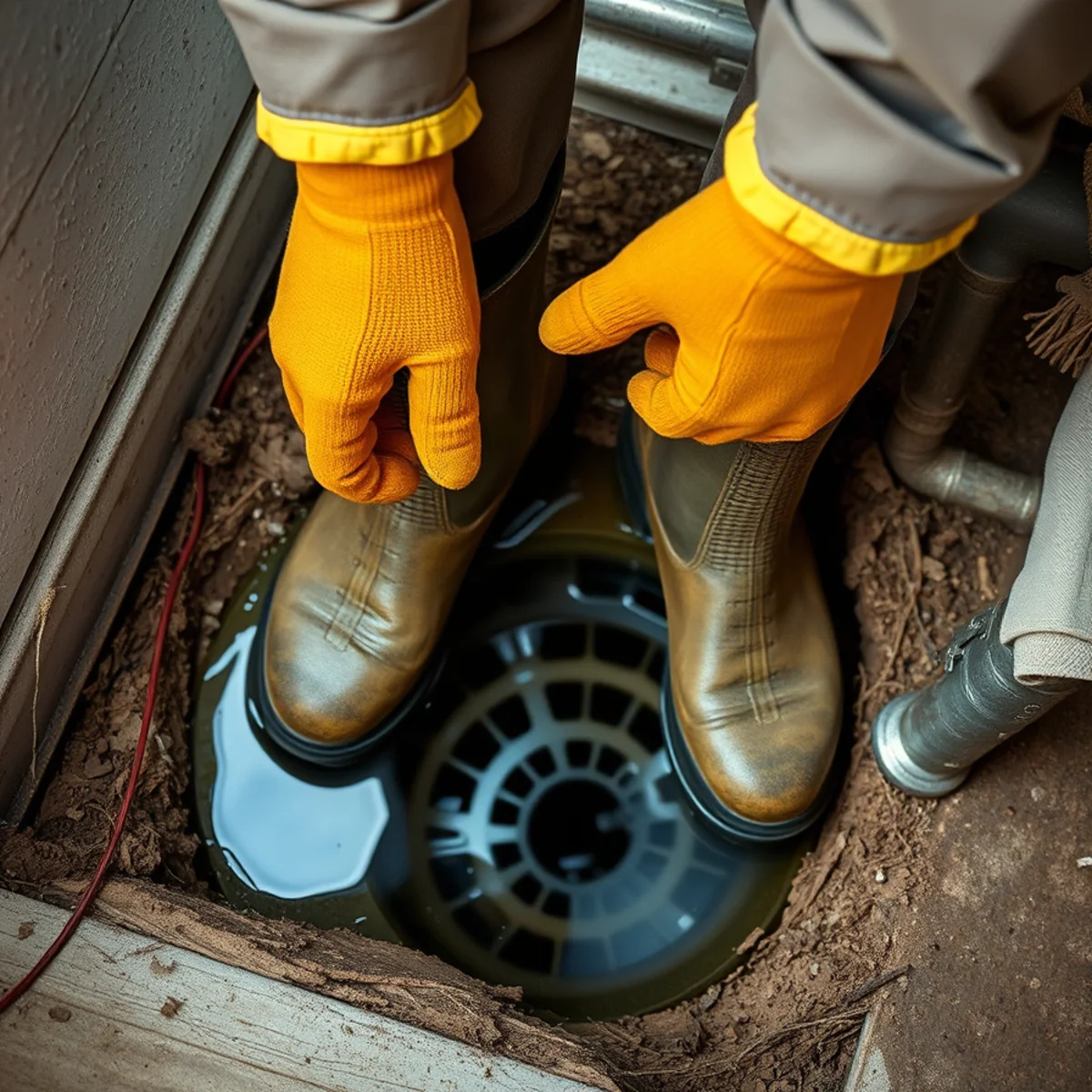
- Mandatory Personal Protective Equipment: If you must briefly enter the basement to retrieve vital items, wear heavy-duty rubber work boots, thick waterproof nitrile gloves, and a fitted N95 respirator mask.
Why Harrisonburg Basements Experience Sudden Sewer Backups
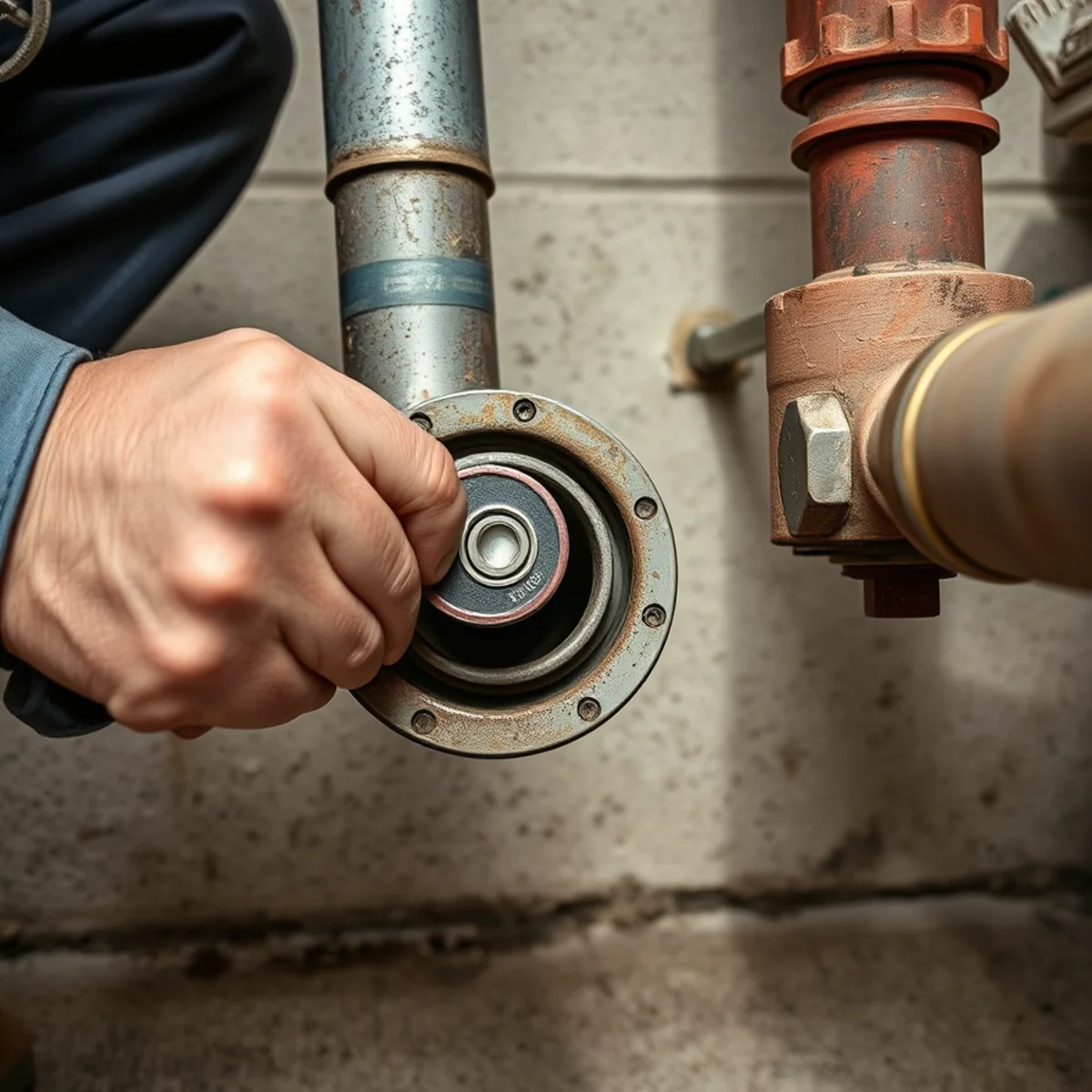
Main sewer backups in Harrisonburg and Rockingham County rarely happen without underlying environmental and structural factors. Our regional geology and aging municipal infrastructure play a central role in lateral failures.
- Limestone Karst Settling: The Shenandoah Valley's subterranean limestone fissures frequently settle, creating low spots ('pipe bellies') in underground clay or cast iron laterals where heavy solids and grease accumulate.
- Mature Valley Tree Roots: Historic neighborhoods in Harrisonburg (such as Old Town, South High Street, and Court Square) feature century-old maple, oak, and sycamore trees whose roots invade clay pipe joints in search of moisture.
- Appalachian Stormwater Infiltration: During intense rainstorms, stormwater runoff infiltrates aging city sanitary sewer mains along Blacks Run, overwhelming collection capacity and pushing municipal wastewater backward up residential laterals.
- Flushed Wipes & Fat Accumulation: Congealed cooking grease combined with so-called 'flushable' wipes creates impenetrable masses that choke 4-inch laterals.
Expert Insight: How Master Plumbers Safely Decompress and Clear Backups
As a master plumber serving Harrisonburg for over 15 years, I always warn homeowners against opening indoor cleanout plugs when a main line is backed up. When 50 feet of 4-inch sewer pipe is full of sewage, opening a basement cleanout plug releases tremendous hydrostatic head pressure—instantly blasting 50 to 100 gallons of pressurized raw sewage into your face and across the basement ceiling. Safe decompression requires experienced trade protocols.
- Exterior Cleanout Decompression: We locate the exterior double-sweep yard cleanout and loosen the threaded cap incrementally, allowing line pressure to decompress outside into a controlled containment trench.
- Heavy-Duty Motorized Cable Snaking: We feed commercial Spartan 1065 augers equipped with 3/4-inch inner-core steel cables and hardened root-slicing c-cutters up to 100 feet to shatter dense root masses and dislodge obstructions.
- Hydro Jetting Scour: For severe grease and sludge accumulations, our 4,000 PSI high-velocity water jetter flushes pipe walls spotless, restoring the full 4-inch interior diameter.
- Ridgid SeeSnake Video Inspection: Once free flow is restored, we guide an infrared self-leveling sewer camera through the pipe to identify structural breaks, offset joints, or bellies requiring permanent repair.
Sanitization & Remediation Protocol for Concrete Slabs
Once water recedes, sanitizing the contaminated basement is vital to prevent mold growth, structural wood rot, and airborne bacterial contamination.
- Mechanical Extraction: Remove all standing liquid using commercial wet-vacuum extraction equipment; never use household vacuum cleaners.
- Discard Saturated Porous Materials: Any porous materials contaminated by blackwater—including drywall, baseboards, carpet, padding, and cardboard boxes—must be bagged and discarded immediately.
- Detergent Wash & Rinse: Scrub unfinished concrete floors and foundation block walls with hot water and heavy-duty alkaline detergent to remove bio-films.
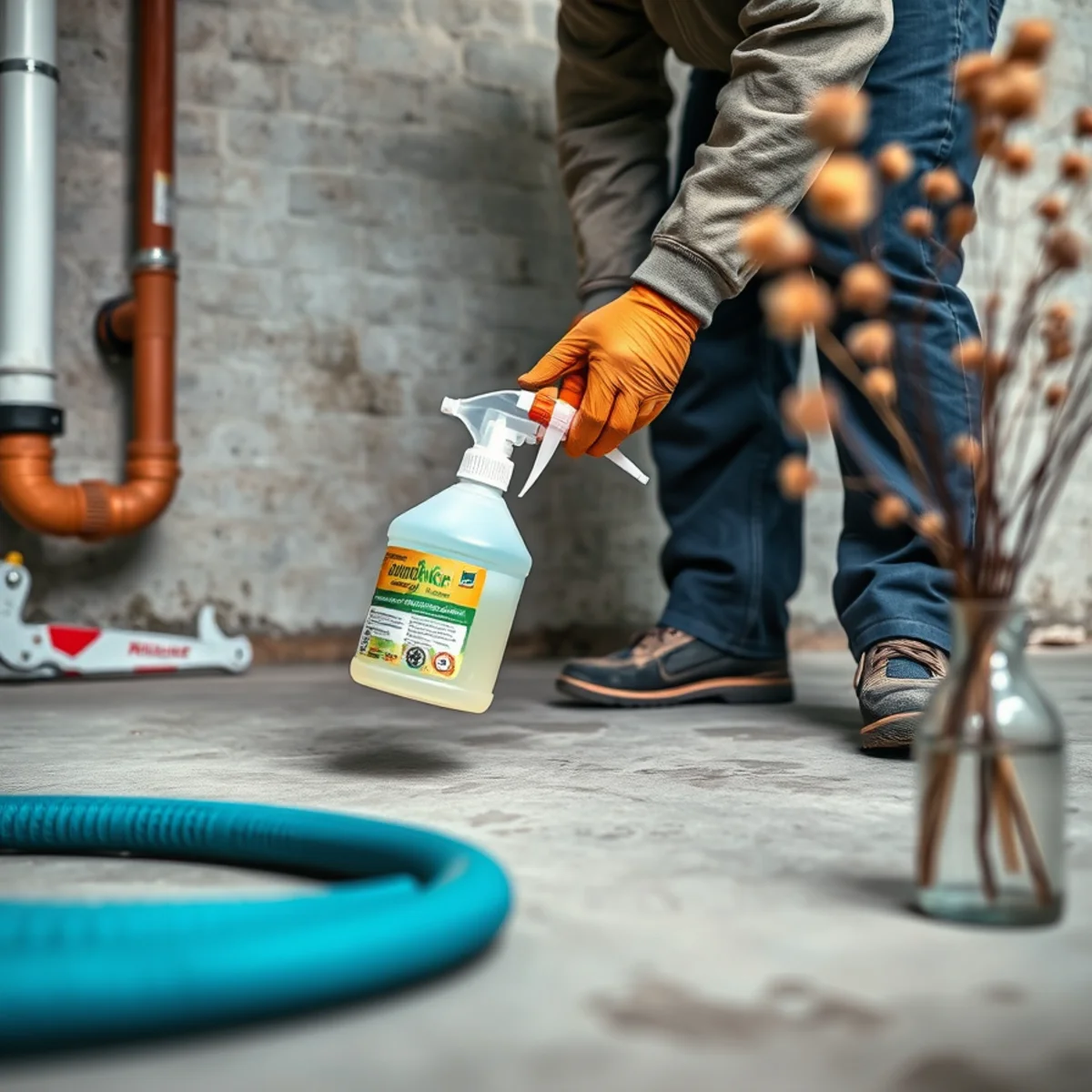
- EPA-Registered Disinfectant: Apply an EPA-registered hospital-grade antimicrobial disinfectant spray, keeping all surfaces visibly wet for a minimum of 10 to 15 minutes dwell time to kill resistant viral pathogens.
Long-Term Prevention: Backwater Valves & Trenchless Rehabilitation
Preventing recurring basement sewage emergencies requires structural upgrades tailored to your home's elevation relative to the municipal sewer main.
- Install an Automatic Backwater Valve: Under Virginia Uniform Statewide Building Code (IPC Section 715), homes with basement fixtures lower than the street manhole should feature an automatic backwater valve that flapper-locks shut during municipal storm surges.
- Trenchless CIPP Pipe Lining: If your sewer lateral is cracked or plagued by annual tree root intrusion, cured-in-place pipe (CIPP) lining creates a seamless, joint-free epoxy pipe inside your old line without digging up your lawn or driveway.
- Schedule Bi-Annual Preventative Jetting: For older properties in historic Harrisonburg, preventative maintenance jetting keeps grease and roots cleared before a crisis occurs.
Master plumber with over 15 years experience diagnosing water leaks, well pump systems, water heaters, and sewer lines across Harrisonburg and Rockingham County, Virginia.
Related Plumbing Services
Related Service Communities
Trusted by Homeowners Across the Shenandoah Valley
Frequently Asked Questions: Sewage Backing Up Into the Basement? First Steps
Why did sewage back up through my basement floor drain instead of an upstairs toilet?
Wastewater seeks the path of least gravitational resistance. When the underground main sewer lateral to the street or septic tank becomes blocked, wastewater backed up in the system rises and spills out through the lowest physical plumbing opening in the house, which is almost always a basement floor drain, laundry sink, or basement shower.
Does homeowners insurance pay for sewage backup cleanup in Harrisonburg, VA?
Standard Virginia homeowner insurance policies typically exclude sewer backups unless you have purchased an optional 'Water Backup and Sump Discharge or Overflow' endorsement. If you have this rider, policies generally cover professional water extraction, sanitization, and damaged personal property up to your selected coverage limit ($5,000 to $25,000).
Can I clean up a small sewage backup myself with bleach?
For very minor puddles on unfinished concrete, a solution of 1 cup household bleach per gallon of water can disinfect surfaces after thorough scrubbing with detergent. However, for significant standing wastewater or any contamination touching drywall, insulation, or carpeting, professional biohazard remediation is strongly advised to prevent toxic mold and bacterial infections.
What is an exterior sewer cleanout and where is it located in Harrisonburg?
An exterior cleanout is a vertical PVC or cast iron pipe with a raised square or slotted threaded cap located in your front lawn or near the foundation wall. It provides direct, non-invasive ground-level access for plumbers to auger and hydro-jet the main sewer line without tracking equipment inside your home.
How does a backwater valve protect my home during heavy storms?
A backwater valve is installed in-line on your underground sewer lateral. During normal operation, gravity allows household wastewater to flow freely out to the city sewer. If heavy rains cause the city sewer main to surcharge and back up toward your house, an internal weighted flapper floats up and seals tightly shut, blocking contaminated street sewage from entering your basement.
Need Immediate Plumbing Assistance in Harrisonburg?
Speak directly with Héctor today. We offer upfront flat-rate estimates and 24/7 priority emergency dispatch.
Call (512) 988-5119 Now